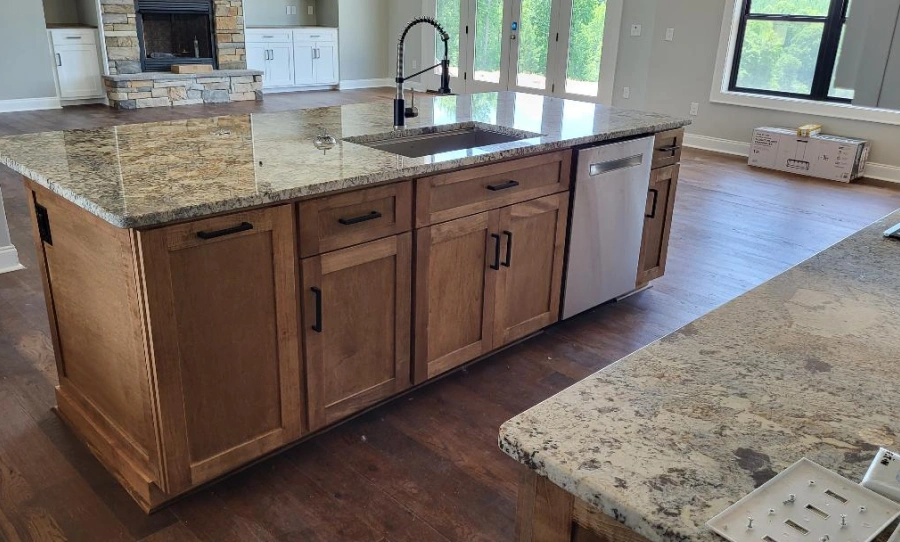
Mistake #1: Failing to Allocate a 15-20% Budget Contingency
One of the most damaging mistakes homeowners make when planning kitchen remodeling services is underestimating the true cost of the project. Many set a fixed budget based on initial estimates and assume everything will proceed exactly as planned. The reality is that nearly every renovation uncovers unexpected challenges once work begins.
In older Roebuck and Spartanburg area homes, we frequently encounter outdated electrical systems that require significant upgrades to meet current building codes. What starts as a straightforward cabinet replacement suddenly requires panel upgrades, new circuits for modern appliances, and GFCI outlets near water sources. These code-mandated improvements are not optional, yet many homeowners never budget for them.
Plumbing surprises are equally common. Corroded pipes, improper venting, or the need to relocate water lines to accommodate a new island layout can add thousands to your bottom line. Without a contingency fund of at least 15 to 20 percent of your total budget, these discoveries force uncomfortable decisions: cut corners elsewhere, abandon features you wanted, or go into debt.
The solution is straightforward but requires discipline. Before you commit to any kitchen remodeling contractor, build a realistic budget that includes a dedicated reserve for the unexpected. Review your financing options, discuss potential hidden issues with your contractor during the planning phase, and prioritize transparency over optimism. A well-planned contingency fund transforms potential crises into manageable adjustments, allowing your project to move forward smoothly even when surprises arise.
Mistake #2: Prioritizing Aesthetics Over Kitchen Workflow and Storage Needs
A stunning kitchen that looks like it belongs in a magazine does you little good if it fails to support the way you actually cook and live. Yet many homeowners fall into the trap of selecting custom cabinetry based solely on visual appeal, ignoring the functional realities of daily kitchen use.
The classic mistake is choosing shallow cabinets or open shelving because they create an airy, modern look, only to discover that you have nowhere to store your stand mixer, baking sheets, or small appliances. Another common error is installing a large island without considering whether it disrupts the natural flow between your refrigerator, sink, and stove, the foundational work triangle that makes cooking efficient.
In our region, where many families prepare large meals for gatherings, especially during the warmer months when outdoor entertaining is frequent, inadequate storage quickly becomes a source of daily frustration. Custom cabinets should be designed around your specific needs: deep drawers for pots and pans, dedicated spaces for spices and oils near the stove, pull-out shelves for easy access to heavy items, and vertical dividers for baking trays.
Before you finalize your kitchen cabinet design, take inventory of everything you need to store. Measure your most-used items and discuss your cooking habits with your designer. A skilled kitchen remodeling company will help you balance beauty with practicality, ensuring your new kitchen works as well as it looks. The goal is a space that enhances your daily routine, not one that forces you to adapt to poor planning.
Mistake #3: Relying on a Single Overhead Light Source
Lighting is one of the most underestimated elements of successful kitchen remodeling services, yet it profoundly affects both functionality and atmosphere. Too many homeowners rely on a single ceiling fixture or a pair of pendant lights over the island, only to discover that their beautiful new kitchen has dark corners, shadowy countertops, and an unwelcoming ambiance after sunset.
A properly lit kitchen requires layered lighting: ambient (general overhead), task (focused on work areas), and accent (highlighting architectural features or custom cabinetry). Under-cabinet lighting is essential for safe, comfortable food preparation, eliminating the shadows cast by your own body when you work at the counter. Pendant lights over an island provide both task lighting and visual interest, while recessed ceiling lights fill in the overall space.
Dimmer switches give you control over mood and energy use, allowing you to shift from bright task lighting during meal prep to softer ambient light during entertaining. Consider the color temperature of your bulbs as well. Warm white (2700-3000K) creates a cozy, inviting feel, while cooler white (3500-4100K) offers clarity for detailed tasks.
Lighting decisions should be made early in the design process, as they affect electrical planning and cabinet installation. When you work with a professional kitchen remodeling contractor, lighting design becomes an integrated part of the plan, not an afterthought. The result is a kitchen that is as functional at midnight as it is at noon, and one that adapts to the way you use the space throughout the day.
Mistake #4: Selecting the Cheapest Countertops, Flooring, and Hardware
When budgets tighten, the temptation to cut costs by choosing cheaper materials is strong. However, this decision often backfires within the first few years. Low-quality countertops stain easily, laminate edges peel, bargain flooring scratches and fades, and flimsy cabinet hardware breaks or tarnishes. What seemed like smart savings quickly becomes a source of regret and additional expense.
Kitchens endure heavy use. Countertops face hot pans, acidic spills, and constant cleaning. Floors bear the weight of foot traffic, dropped utensils, and moisture. Cabinet doors open and close thousands of times a year. Choosing materials that cannot withstand this wear means you will be replacing or repairing them far sooner than you planned, negating any initial savings.
Instead, focus on durability and lifecycle cost. Quartz countertops, for example, cost more upfront than laminate but require no sealing, resist stains and scratches, and last decades. Quality hardwood or luxury vinyl plank flooring withstands moisture and impact far better than cheap laminate. Solid wood or plywood custom cabinets outlast particleboard alternatives by years, maintaining their structure and finish even in humid conditions.
This does not mean you must choose the most expensive option in every category. It means understanding the performance characteristics of each material and making informed trade-offs. A knowledgeable kitchen design services provider will help you identify where to invest and where you can safely economize, ensuring your kitchen remains beautiful and functional for the long term. Quality materials are not an indulgence; they are a practical investment in your home’s value and your daily satisfaction.
Mistake #5: Selecting a Kitchen Remodeling Contractor Without Verifying Experience and Credentials
The single most consequential decision you will make during your kitchen renovation is who you hire to execute it. Yet many homeowners treat contractor selection as a bidding war, awarding the job to whoever submits the lowest estimate. This approach invites disaster.
A suspiciously low bid often signals corner-cutting, inexperience, or a misunderstanding of the project scope. Unqualified or unlicensed contractors may lack proper insurance, leaving you liable if someone is injured on your property. They may use substandard materials, skip necessary permits, or fail to follow building codes, creating safety hazards and legal complications that can haunt you for years.
Poor workmanship is expensive to fix. Cabinets installed out of level, countertops with visible seams, tile work with uneven grout lines, or improperly vented range hoods all require costly rework. In extreme cases, you may need to hire a second contractor to redo what the first one botched, effectively paying for the same job twice.
Instead, invest time in vetting candidates. Verify that they are licensed, insured, and bonded. Ask for references and visit completed projects in person. Review their portfolio to ensure they have experience with the type and scale of work you are planning. Discuss their process for handling surprises, managing timelines, and communicating progress. A detailed, transparent contract is essential.
The right kitchen remodeling contractor becomes a partner in bringing your vision to life. They provide guidance on design, material selection, and problem-solving, transforming what could be a stressful ordeal into a manageable, even enjoyable, process. This is where working with a trusted provider of custom cabinets and kitchen remodeling services makes all the difference. When you choose a contractor based on skill, reputation, and rapport rather than price alone, you set your project up for success from day one.